Hyperbaric Oxygen Therapy for Brain Health
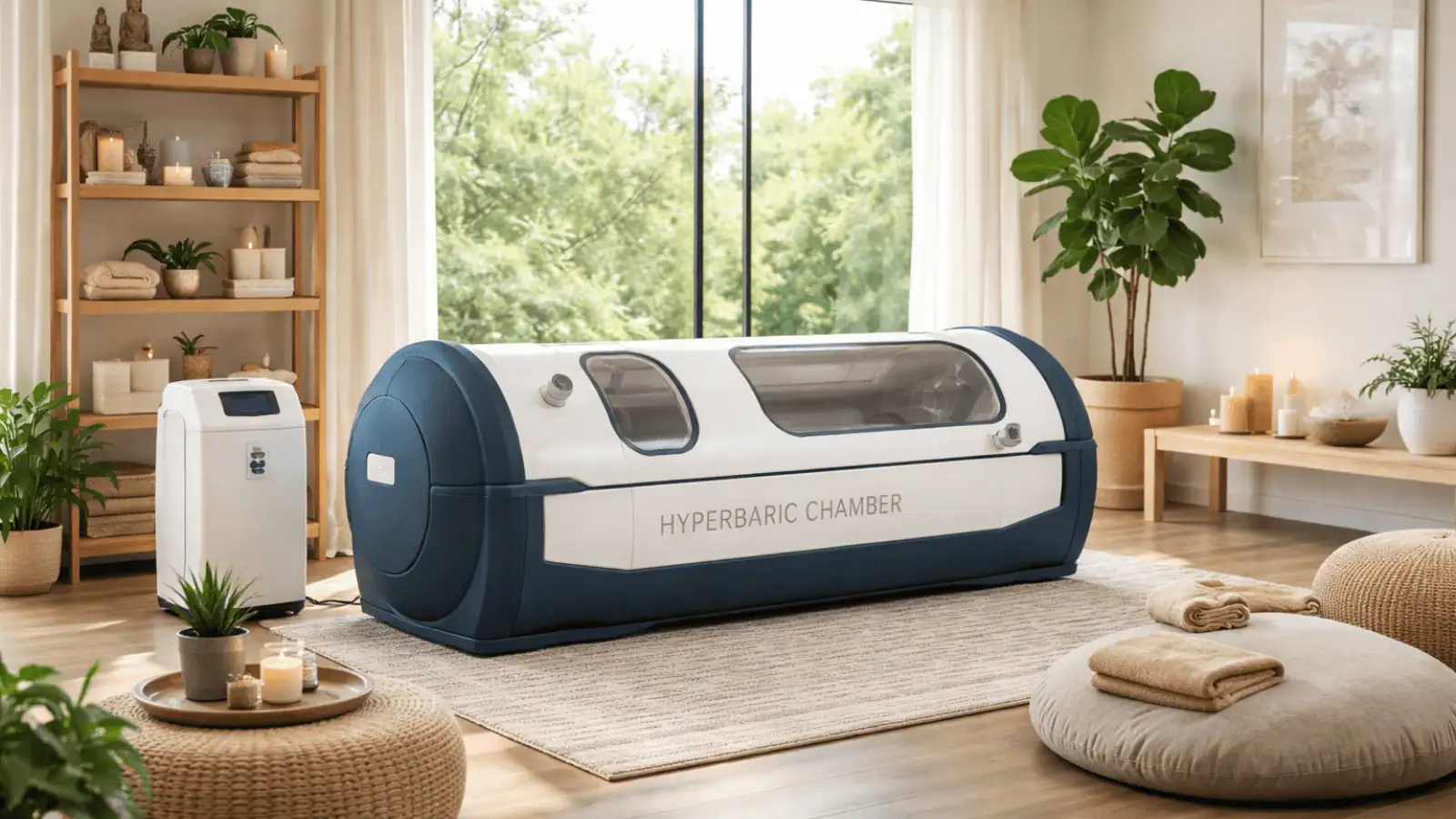
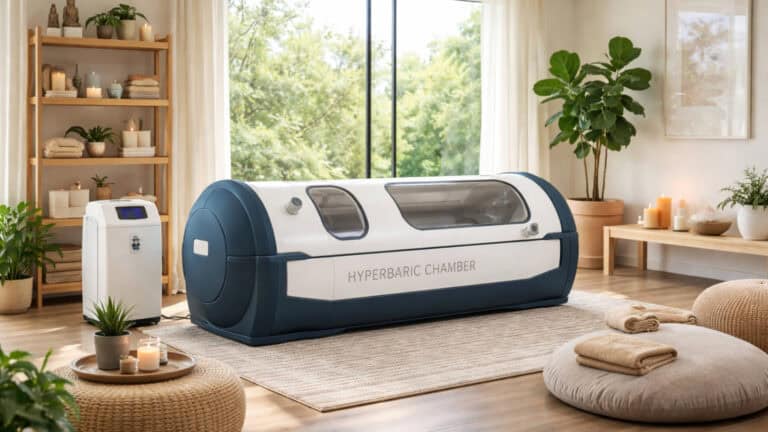
Hyperbaric oxygen therapy for brain health has become a growing area of interest because the brain depends heavily on a steady oxygen supply, balanced circulation, and efficient cellular energy production. In a hyperbaric chamber, a person breathes oxygen in a pressurized environment, which increases the amount of oxygen dissolved in plasma and can improve oxygen delivery to tissues. Major medical centers describe hyperbaric oxygen therapy as a treatment delivered in a pressurized chamber with oxygen concentrations and pressure levels above normal atmospheric conditions, which changes how oxygen moves through the body and into tissue. Mayo Clinic and Cleveland Clinic both note that HBOT increases oxygen delivery under pressure.
That does not mean HBOT is a guaranteed solution for memory, focus, mood, or long-term cognitive outcomes. The more accurate framing is that HBOT may support aspects of brain function in certain contexts, and it is being studied for neuroplasticity, recovery support, inflammation signaling, and tissue repair. Reviews in the medical literature suggest the science is promising in selected populations, but protocols, patient selection, and expected outcomes still vary. This review on cognitive functions and HBOT and this review on HBOT as a neuromodulatory technique both point to potential brain-related benefits while also showing that the evidence remains nuanced.
Compare home chamber options
If you are exploring whether home HBOT fits your routine, start with our editorial guide to the best hyperbaric oxygen chambers for home use →
Why the brain is such a common focus in HBOT discussions
The brain is metabolically demanding. It uses a large share of the body’s oxygen and energy even when you are resting. Because of that, any therapy that meaningfully changes oxygen availability tends to attract interest in discussions about cognition, resilience, recovery, and long-term neurological support. HBOT stands out because it does not simply provide more oxygen to breathe. It does so under increased pressure, which allows more oxygen to dissolve directly into plasma and circulate beyond what is possible under normal conditions. StatPearls’ overview of hyperbaric physiology explains this as a core mechanism of HBOT.
For brain-health conversations, the appeal usually centers on four ideas: supporting oxygen availability, encouraging repair-related signaling, helping manage inflammation pathways, and potentially influencing neuroplasticity. That is why people often connect HBOT with questions about cognitive clarity, recovery after periods of stress, and broader brain-support routines. It is also why it makes sense to pair this topic with related reading on focus and mental performance and mood and mental clarity.
How HBOT may support brain health at the physiological level

The physiological case for HBOT begins with oxygen transport. Under pressure, more oxygen dissolves into plasma, which may improve delivery to tissue that is metabolically stressed or not operating efficiently. In brain-related discussions, this matters because neurons and support cells rely on a stable energy supply. Research reviews also discuss HBOT in relation to angiogenesis, cellular signaling, and repair-support pathways. A 2021 review on HBOT mechanisms and brain effects describes how hyperbaric exposure may influence cellular processes involved in recovery and cognition.
Another recurring concept is neuroplasticity. The idea is not that one session “boosts your brain,” but that the combination of oxygen availability, pressure, and repeated exposure may help create conditions that support adaptive change in brain tissue. Recent literature on HBOT and neuromodulation discusses this possibility, especially in recovery-oriented settings. That still requires cautious interpretation. Mechanisms can be biologically plausible without translating into identical real-world outcomes for every person.
What the research says right now
The current evidence is best described as encouraging but uneven. Reviews have reported potential improvements in some cognitive domains in selected neurological settings, and investigators continue to study HBOT in relation to traumatic brain injury, neurological recovery, and other brain-related conditions. One cognitive review concluded that HBOT has shown positive neuropsychological findings in some contexts, while more recent work on neurocognitive outcomes emphasizes that assessment methods and treatment protocols still need greater consistency.
This is where realistic expectations matter. “Promising” is not the same as “proven for everyone.” Brain-health content online often jumps too quickly from mechanism to certainty. A more credible interpretation is that HBOT has meaningful scientific interest, especially where oxygen delivery, tissue stress, and repair signaling are relevant, but outcomes depend on diagnosis, protocol, timing, supervision, and the broader health picture. That conservative framing is also consistent with the medical positioning used by major health systems rather than sensational wellness marketing.
How people usually think about HBOT in a brain-support routine

In practical home-use discussions, people usually approach HBOT for brain support in one of three ways. The first is as part of a broader recovery routine, where the goal is not a dramatic single outcome but steadier support for rest, consistency, and general cognitive resilience. The second is performance-oriented use, where someone is trying to protect recovery quality around heavy work, training, travel, or mentally demanding periods. The third is a more health-focused exploration in partnership with a qualified clinician when there is a specific reason to evaluate HBOT more closely.
From a home setup perspective, the most realistic users are the ones who can integrate sessions consistently. That usually means the chamber has a dedicated space, there is enough room for ventilation and equipment access, and sessions fit a schedule rather than constantly interrupting it. If the chamber lives in a crowded corner, setup feels annoying, or every session has to be improvised, adherence tends to drop. Brain-support strategies are rarely about one dramatic intervention; they usually reward regularity.
What HBOT is not, especially for brain health claims
HBOT should not be framed as a cure for memory loss, mental fatigue, poor concentration, or neurological disease. It is also not a substitute for medical diagnosis when someone is dealing with significant cognitive changes, sudden neurological symptoms, persistent mood disruption, or functional decline. Those situations warrant proper evaluation, not self-directed experimentation.
This point matters because “brain health” is a broad phrase. It can refer to concentration, recovery, sleep quality, mental stamina, resilience under stress, or medically complex conditions. The broader and vaguer the phrase becomes, the easier it is to make exaggerated claims. The safest and most useful view is that HBOT may be one supportive tool within a larger framework that could also include sleep, exercise, medical care, stress reduction, and structured recovery habits. For a more foundational overview, see what hyperbaric oxygen therapy is and our page on hyperbaric oxygen therapy benefits.
Who may be most interested in this topic

Some readers come to this topic from a longevity or optimization angle. Others are more recovery-focused and want to support their routine without chasing stimulants or all-day intensity. Athletes and high-output professionals may also be interested because brain performance does not exist separately from recovery quality. When sleep slips, stress accumulates, and physical recovery lags, focus and decision-making often suffer too.
That said, not everyone needs HBOT. If the main issue is poor sleep hygiene, irregular schedules, unmanaged stress, or basic overwork, those foundational factors often deserve attention first. HBOT may fit best for people who already value structured routines and want a deliberate recovery tool rather than a quick fix. People who expect a single therapy to override poor habits are more likely to feel disappointed.
Practical expectations for home HBOT sessions

If your interest is brain support, consistency matters more than novelty. Most people considering home HBOT want sessions that feel sustainable: a predictable time of day, a comfortable setup, manageable noise levels, and an environment where the session does not feel like a major production. A calm, repeatable routine is usually more valuable than a chamber that looks impressive but is difficult to use consistently.
Many users also find it helpful to think about timing. A session before a work block, after demanding training, or as part of an evening recovery pattern can feel very different in practice. The right choice depends on your goals, tolerance, and schedule. Our guides on session duration and frequency and how to use hyperbaric oxygen therapy at home go deeper into those logistics.
Safety considerations before using HBOT for cognitive support

HBOT is a medical intervention, not just a wellness gadget. Safety screening matters. According to StatPearls on HBOT contraindications, untreated pneumothorax is the key absolute contraindication. Other issues can be relative contraindications depending on the person, including certain lung conditions, medication considerations, device-related concerns, and other clinical factors. StatPearls on hyperbaric complications also notes possible adverse effects such as ear or sinus barotrauma, transient vision changes, claustrophobia, and oxygen-toxicity-related complications.
That does not mean HBOT is broadly unsafe. It means it should be approached with screening, education, and realistic risk awareness. If brain health is your interest, it is especially important not to let enthusiasm about cognitive support overshadow basic treatment suitability. Safety should come first, and individualized medical guidance matters more than generic internet confidence.
How HBOT compares with simpler brain-support strategies
HBOT is often discussed alongside sleep, exercise, stress reduction, and nutrition because all of those affect cognition too. The key difference is that HBOT is more equipment-dependent, more specialized, and more resource-intensive. It may have a stronger mechanistic rationale in certain recovery settings, but that does not automatically make it the first lever to pull for everyone.
For many people, the most balanced approach is to treat HBOT as an advanced support option rather than a replacement for basics. In that role, it may make sense for someone who already has solid habits and wants to build a more intentional recovery environment. It may make less sense for someone still trying to solve simple but high-impact issues like sleep timing, workload, hydration, or routine consistency. A good decision framework asks not only “Could HBOT help?” but also “Is this the right next step for me right now?”
How to decide whether this topic matters for your situation

A practical way to think about HBOT for brain health is to sort your interest into one of three buckets. First, are you simply learning how HBOT may influence cognition and recovery? If so, the goal is education, not action. Second, are you comparing home chamber ownership with clinic-based treatment? Then your next step is understanding chamber types, setup demands, and ongoing routine fit. Third, are you trying to address a significant cognitive or neurological concern? In that case, the priority is medical guidance, not self-directed device shopping.
If you are in the second group, our HBOT blog and chamber comparison resources can help you understand pressure levels, use cases, and buyer tradeoffs. If you are in the third group, the most responsible step is to speak with a qualified clinician and review our contact page if you want to reach out with educational questions about chamber selection and content topics.
Frequently asked questions about HBOT and brain health
Can HBOT improve memory or focus?
It may support aspects of cognitive function in some settings, but it should not be presented as a guaranteed memory or focus enhancer. The evidence is promising in selected areas, yet outcomes depend on the individual context, protocol, and broader health picture.
Is HBOT proven for general brain optimization?
No. HBOT has a plausible physiological basis and an emerging research base, but “general optimization” is broader than what the literature clearly proves. It is more accurate to say HBOT is being studied for brain-related support and recovery in specific settings.
Is home HBOT appropriate for everyone interested in cognitive support?
No. Suitability depends on safety screening, budget, equipment fit, and whether a chamber can realistically become part of a consistent routine. For some people, clinic-based care or non-HBOT recovery improvements may be a better starting point.
Final thoughts on hyperbaric oxygen therapy for brain health
HBOT is one of the more interesting tools in the brain-support conversation because it changes oxygen delivery in a way ordinary wellness products do not. That is the reason researchers continue exploring it, and it is also why readers are drawn to it when thinking about focus, recovery, and cognitive resilience. Still, the most trustworthy conclusion is a measured one: HBOT may support brain health and cognitive function in certain contexts, but it is not a cure-all, and it works best when viewed through a realistic, safety-first lens.
If you want to continue your research, start with our guide to the best hyperbaric oxygen chambers for home use, then review our educational resources on HBOT benefits and the rest of the Hyperbaric Sage blog to build a fuller picture before making any decisions.