Hyperbaric Oxygen Therapy Pressure Levels Explained
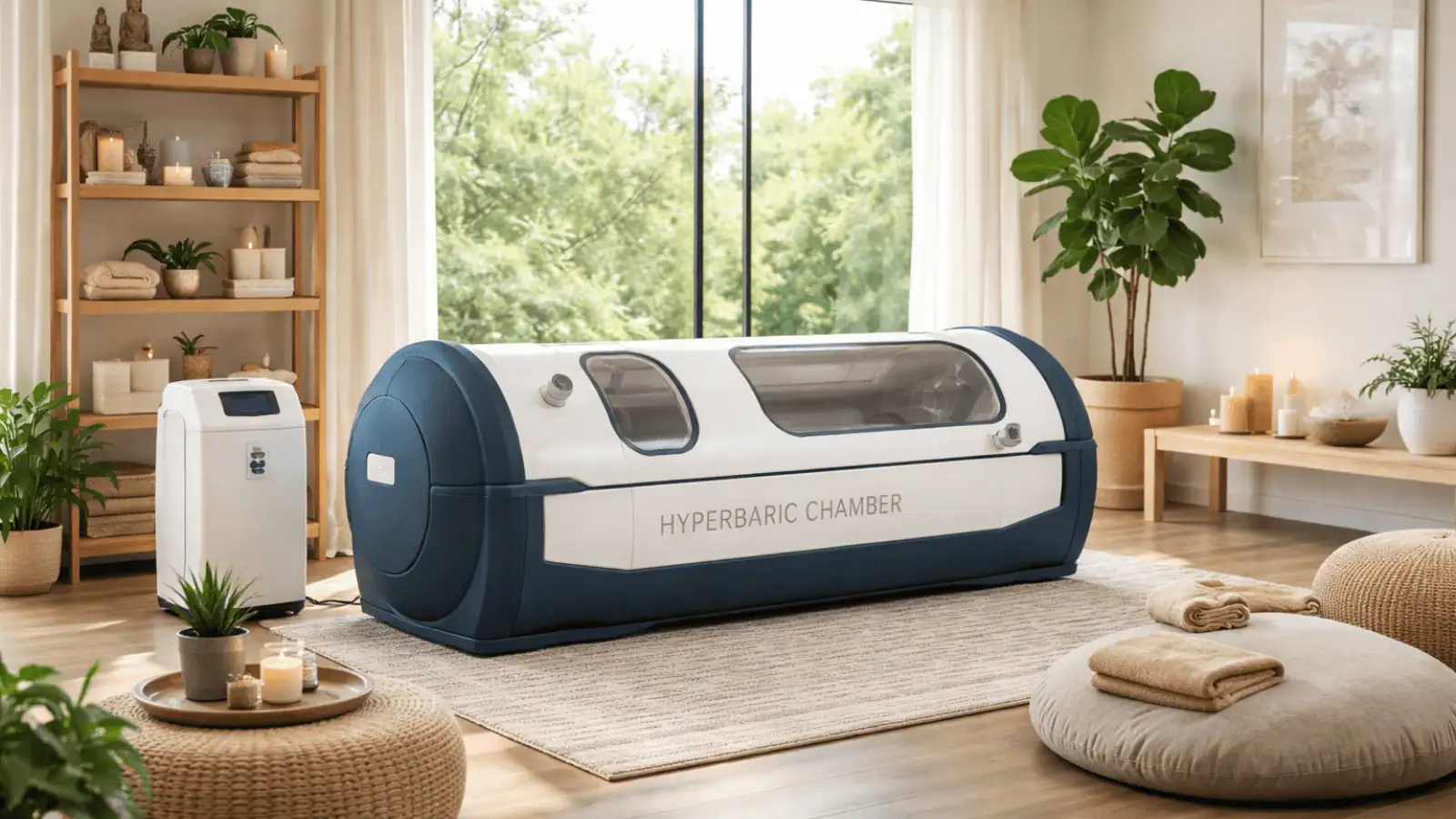
Hyperbaric chamber pressure levels can look confusing at first because most brands, clinics, and articles talk in different terms. Some mention ATA. Others talk about “mild” chambers, “soft-sided” chambers, or “clinical” pressures. And many people are left wondering whether a chamber running at 1.3 ATA is meaningfully different from one operating at 1.5 ATA, 2.0 ATA, or higher.
This guide explains the pressure side of hyperbaric oxygen therapy in plain English. We’ll cover what ATA means, why pressure matters, how home systems differ from clinical systems, and what realistic buyers should pay attention to before treating chamber pressure as the only thing that matters. Hyperbaric oxygen therapy generally refers to breathing oxygen in a pressurized chamber above normal atmospheric pressure, with clinical protocols commonly using higher pressures than consumer wellness systems. Mayo Clinic, NIH/StatPearls
If you are still building your foundation, start with What Is Hyperbaric Oxygen Therapy?, then compare options in our Best Hyperbaric Oxygen Chambers (2026 Buyer’s Guide).
Compare pressure ranges with real-world context
If you want to see how chamber type, comfort, and pressure fit together, review our hyperbaric chamber buyer’s guide →
What does ATA mean in a hyperbaric chamber?
ATA stands for atmospheres absolute. It is a way of describing total pressure inside the chamber compared with normal atmospheric pressure at sea level. At sea level, normal atmospheric pressure is 1.0 ATA. Once a chamber rises above that baseline, the body is exposed to increased environmental pressure.
So when you see a chamber rated at 1.3 ATA, that means the pressure inside is 30% above normal atmospheric pressure. A chamber rated at 1.5 ATA is 50% above normal atmospheric pressure. Clinical hyperbaric oxygen therapy often uses pressures in the 2.0 to 3.0 ATA range depending on the indication and treatment protocol. NIH/StatPearls, NIH/StatPearls
This matters because pressure changes how much oxygen can dissolve into plasma. The higher the chamber pressure, the greater the potential increase in dissolved oxygen delivery. That is one reason pressure is not just a comfort spec or marketing label. It is part of the basic mechanism behind HBOT. NIH/StatPearls

Why pressure levels matter in hyperbaric oxygen therapy
Pressure is one of the core variables that shapes what a session actually delivers. The other major variables are oxygen concentration, session length, chamber design, and protocol consistency. A higher pressure environment allows more oxygen to dissolve into blood plasma, which is central to how HBOT is thought to support oxygen delivery and downstream repair processes. NIH/StatPearls, PMC review
That said, pressure should not be isolated from context. A consumer comparing chambers should remember:
- Pressure alone does not tell you whether the system is intended for clinical treatment or general wellness use.
- How oxygen is delivered matters. Some systems use compressed air in the chamber while oxygen is delivered separately through a mask or hood.
- Session routine, supervision, and safety screening matter just as much as the headline pressure number.
In practical terms, someone shopping for home use is usually balancing three things at once: comfort, available space, and pressure range. The chamber with the biggest pressure number is not automatically the best fit for every routine or every household.
Common hyperbaric chamber pressure ranges explained
Most people will run into four broad pressure conversations:
1. Around 1.3 ATA
This is common in entry-level or wellness-oriented home systems. It is usually discussed as a lower-pressure starting point and may appeal to people who prioritize easier setup, lower intensity, and a softer at-home routine.
2. Around 1.5 ATA
This level often sits near the upper end of what many home-focused mild systems advertise. It is commonly treated as a meaningful step up from 1.3 ATA, but it is still different from the higher pressures often used in hospital-based or more clinical-style HBOT protocols.
3. Around 2.0 ATA
This starts to move into a more traditionally clinical treatment range. The Undersea and Hyperbaric Medical Society defines hyperbaric oxygen for clinical purposes as treatment at or above 1.4 ATA while breathing near-100% oxygen, and many established protocols use 2.0 ATA or more. UHMS, UHMS treatment protocol FAQ
4. 2.4 to 3.0 ATA and beyond
These higher pressures are associated with specific medical protocols and should not be treated as ordinary consumer wellness territory. They belong in supervised settings with trained personnel, appropriate equipment, and condition-specific decision-making. NIH/StatPearls
Mild hyperbaric pressure vs clinical hyperbaric pressure
This is where a lot of confusion starts. The phrase “mild hyperbaric” is widely used in consumer marketing, but it does not mean the same thing as full clinical HBOT. UHMS states that exposures below 1.5 ATA are considered “mild hyperbaric oxygen,” and also notes that these offerings are considered unproven in that mild category. UHMS
That does not mean a lower-pressure chamber is automatically useless. It means you should be careful about assuming it is equivalent to a medically supervised chamber operating at higher pressure under established treatment tables. Those are different environments, different routines, and often different goals.
For a home buyer, the practical distinction is simple:
- Mild systems are often easier to install, easier to fit into a home setting, and more approachable for routine use.
- Higher-pressure clinical systems are designed for a different level of oxygen delivery and usually require more formal oversight, training, and infrastructure.

How pressure levels relate to chamber type
Pressure level is closely tied to chamber construction. Soft-sided home chambers are commonly associated with lower pressure ranges, while hard-shell systems are more often associated with higher operating pressures and more robust infrastructure. That does not mean every hard-shell chamber is automatically “better,” but it does mean the engineering, user experience, and placement requirements can differ significantly.
Someone planning a home recovery room, spare bedroom, basement wellness area, or garage conversion usually needs to think beyond the pressure rating. Chamber footprint, noise, power requirements, airflow, and daily setup friction all matter. A chamber that looks strong on paper can become a poor fit if it is too intrusive for the household routine.
If you want a full comparison of chamber classes rather than just pressure numbers, see Mild vs Hard-Shell Hyperbaric Chambers.
What pressure means for everyday home use
In real life, a chamber only helps support consistency if it fits the way a household actually operates. A person using HBOT before work, after training, or during a midday recovery break may value simplicity just as much as the chamber’s maximum pressure. A lower-pressure system may be easier to use regularly if it requires less setup stress and feels less intimidating in a home environment.
On the other hand, a buyer who is specifically comparing systems for more serious long-term use may place more weight on pressure ceiling, structural build, and how the chamber aligns with supervised protocols or provider guidance.
That is why pressure should be seen as a fit factor, not just a bragging-rights metric. The best choice is often the chamber that aligns with your space, your tolerance for setup complexity, and the kind of routine you can realistically maintain.

Higher pressure is not always the better choice for every person
There is a natural temptation to assume that more pressure must always mean better results. But higher pressure also comes with tradeoffs. As pressure rises, equalization becomes more important, session design becomes more important, and supervision becomes more important. Ear pressure issues, sinus discomfort, claustrophobia, and other complications are part of the real-world conversation around HBOT. Mayo Clinic, Cleveland Clinic
Mayo Clinic lists risks such as ear pain, middle-ear injuries, sinus pressure, short-term vision changes, and more serious but uncommon complications including lung collapse and oxygen-toxicity-related seizures. Mayo Clinic
That does not mean HBOT is inherently unsafe. It means pressure is part of a bigger safety conversation. Untreated pneumothorax is considered a major contraindication, and candidates should be evaluated rather than self-prescribing based on internet summaries. NIH/StatPearls
Safety first before pressure chasing
Before comparing specs, review our HBOT safety guide →
What smart buyers should compare besides pressure
Pressure is important, but it should sit inside a broader decision framework. When comparing chambers, ask:
- Is the listed pressure the actual operating pressure or a marketing headline?
- Does the system use chamber air, oxygen via mask, or another delivery method?
- Is the chamber soft-sided or hard-shell?
- How much space, ventilation, and daily setup does it require?
- Does the chamber match a simple wellness routine or a more formal use case?
Also remember that “pressure tolerance” is personal. Some people adapt easily to chamber equalization. Others need a slower ramp-up and more patience. The chamber that looks ideal in a spreadsheet may not feel ideal in a real home routine.
For broader decision help, browse the Hyperbaric Sage blog or reach out through our contact page.
Common misunderstandings about hyperbaric chamber pressure levels
“A 1.3 ATA chamber is basically the same as a 2.0 ATA chamber.”
No. They are both pressurized environments, but they are not interchangeable. Pressure level, chamber type, oxygen delivery, and intended use all differ.
“Mild hyperbaric means clinically proven HBOT.”
Not necessarily. UHMS specifically distinguishes mild hyperbaric exposures below 1.5 ATA from more established clinical HBOT frameworks. UHMS
“More pressure is always better.”
Not always. More pressure may increase oxygen delivery potential, but it may also increase complexity, cost, and the importance of supervision and safety screening.
“Pressure is the only spec that matters.”
No. Usability, chamber design, comfort, routine consistency, and safety are all part of the real purchase decision.

Which pressure range tends to fit which kind of user?
There is no universal “best” pressure range, but there are common fit patterns:
- Curious first-time home users often prefer lower-pressure systems because they feel less intimidating and easier to integrate into a daily routine.
- Routine-focused wellness users may value the balance between approachable operation and consistent use more than they value chasing the highest possible number.
- Buyers comparing more advanced systems usually look harder at chamber construction, pressure capacity, intended use environment, and oversight expectations.
This is one reason the “best pressure” question usually has to be reframed. The better question is: What pressure range makes sense for your actual use case?
If your interest is more about outcomes and use planning, also read Hyperbaric Oxygen Therapy Session Duration and Frequency and How to Use Hyperbaric Oxygen Therapy at Home.
Frequently asked questions about hyperbaric pressure levels
Is 1.3 ATA considered hyperbaric?
It is pressurized above normal atmospheric pressure, but it sits in the lower end of the conversation and is often grouped into the mild hyperbaric category rather than being treated as equivalent to higher clinical protocols.
What pressure do clinical HBOT treatments usually use?
Clinical protocols often operate in the 2.0 to 3.0 ATA range depending on the indication and treatment table. NIH/StatPearls, Mayo Clinic
Is a higher-pressure chamber always worth the extra cost?
Not for every buyer. Higher pressure may be meaningful, but only when weighed alongside safety, intended use, chamber design, home setup demands, and whether the user can realistically maintain the routine.

Final thoughts on hyperbaric chamber pressure levels
Hyperbaric chamber pressure levels matter because pressure is part of the core mechanism behind HBOT. But the smartest way to compare chambers is not to obsess over one number in isolation. ATA should be understood alongside oxygen delivery, chamber type, safety screening, session design, and real-world routine fit.
For most readers, the main takeaway is this: a lower-pressure home chamber, a mild hyperbaric system, and a higher-pressure clinical chamber are not all the same thing. Each belongs to a different use context, and each should be evaluated with realistic expectations rather than marketing shorthand.
If you want the next step, compare chamber categories in our Best Hyperbaric Oxygen Chambers guide, review the science on our HBOT benefits page, or explore more posts in the Hyperbaric Sage blog.
Need the big-picture comparison?
See chamber types, home-use tradeoffs, and buying considerations in our top hyperbaric chamber picks →