Revive HBOT Max Review
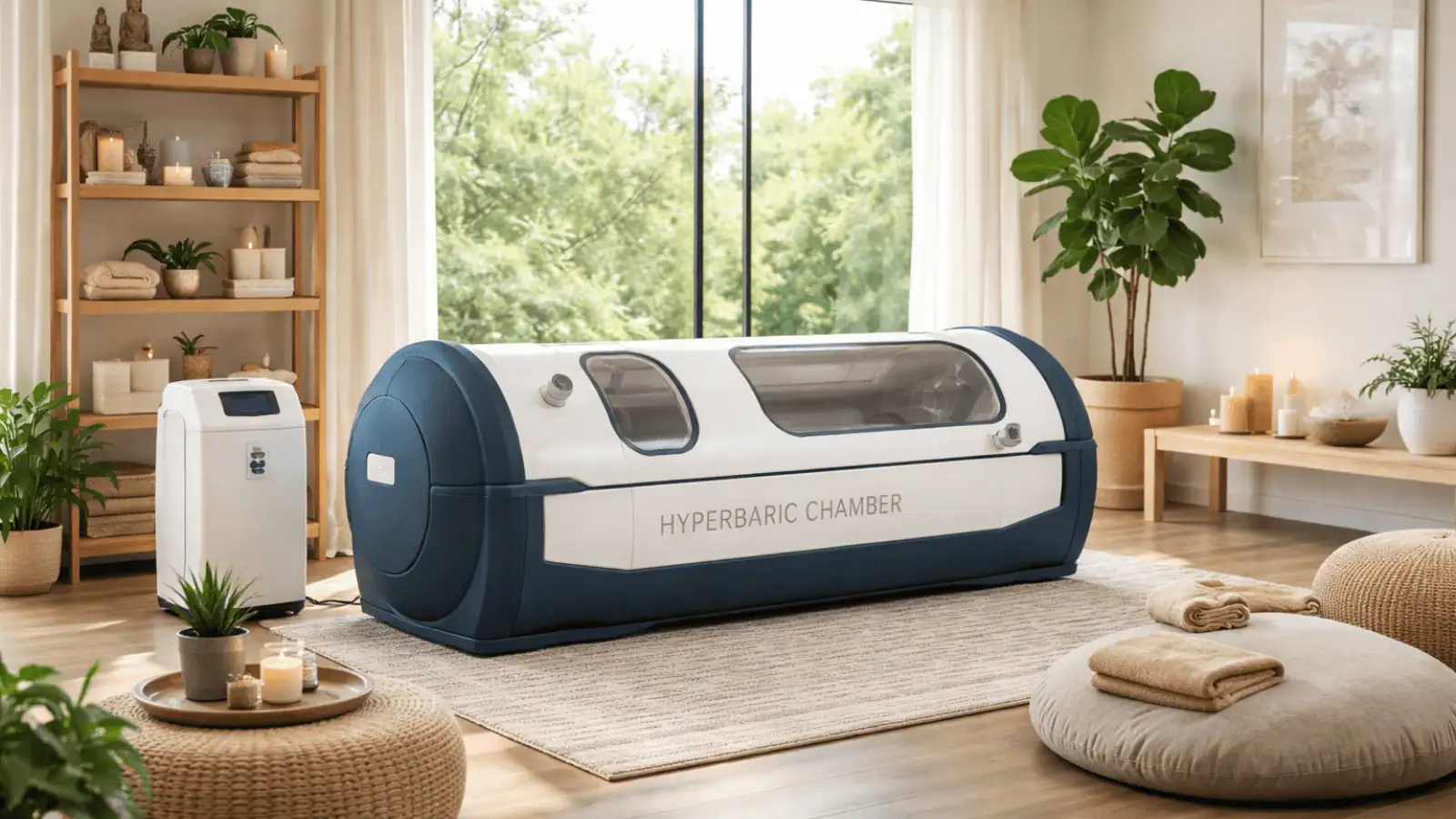
The Revive HBOT Max review is best approached as a decision-focused look at whether this chamber category makes sense for a serious home user, recovery-focused buyer, or small clinic operator who wants something sturdier than a mild soft-sided unit. Hyperbaric oxygen therapy involves breathing oxygen in a pressurized environment, which can increase oxygen delivery through plasma and tissue compared with normal atmospheric conditions. For general background, see the Mayo Clinic overview of hyperbaric oxygen therapy.
Publicly available seller information for the Revive line points to a hard-shell format with configurations in the 2 ATA and 3 ATA range, plus wider-diameter options than many entry-level chambers. That matters because chamber category often tells you more about real-world ownership than brand copy does: hard-shell systems usually demand more space, budget, and installation planning, but they may appeal to buyers who want a more robust, higher-pressure platform than a soft chamber can provide. For category context, see the public Revive chamber listings.
In this review, we are not treating the Revive HBOT Max as a miracle device. Instead, we are evaluating it through the lens that matters most for Hyperbaric Sage readers: home fit, routine practicality, structural category, buyer suitability, tradeoffs, and realistic expectations. If you are still comparing chamber types broadly, start with our Best Hyperbaric Oxygen Chambers buyer’s guide before narrowing down to a single model.
Compare chamber categories first
If you are deciding between soft, mild, and hard-shell systems, review the broader lineup in our hyperbaric chamber buyer’s guide →
What kind of chamber is the Revive HBOT Max?
Based on public seller listings for the Revive chamber line, this appears to fit the hard-shell HBOT category rather than the lower-pressure soft-sided class. Public listings describe Revive models with 2 ATA and 3 ATA configurations, hard-shell construction, and widths around 31.5 inches to 36 inches depending on model. You can review that category framing on the Revive chamber collection page.
That category placement is important. A hard-shell chamber is not usually an impulse purchase for someone casually testing home wellness tools. It is more often a deliberate investment by buyers who have already moved past the “Should I try hyperbarics at all?” stage and are now asking a more specific question: Do I want a sturdier, more premium-feeling system with greater structural permanence and potentially higher operating capability?
In practical terms, that means the Revive HBOT Max likely competes less with budget home soft chambers and more with other serious home or light-clinic systems. Buyers drawn to it are often looking for one or more of the following:
- a more substantial chamber build
- a roomier internal environment
- a system that feels like a dedicated recovery station rather than a collapsible wellness accessory
- a platform that may better align with higher-pressure use cases under appropriate supervision
So even before we get into pros and cons, the biggest takeaway is this: the Revive HBOT Max is likely best viewed as a premium category decision, not merely a brand decision.
Why pressure class changes the ownership experience
HBOT works by increasing ambient pressure while the user breathes oxygen, which raises dissolved oxygen in plasma and changes the oxygen environment tissues are exposed to. That broader physiological framework is well established in medical overviews and review literature. For a consumer-friendly explanation, see Mayo Clinic’s HBOT overview.

What matters in a buying context is that different chamber classes produce very different expectations around:
- setup complexity
- noise, compressors, and support equipment
- session logistics
- budget and maintenance planning
- how “serious” the chamber feels in daily use
A buyer considering something like the Revive HBOT Max is usually no longer shopping only for comfort or convenience. They are also shopping for confidence in the chamber platform. Hard-shell systems often appeal to people who want a more clinic-like feel, more stable structure, and clearer long-term positioning inside a dedicated recovery room.
That does not automatically make them better for every household. It simply means the pressure class and build category change the ownership equation. A more ambitious chamber may deliver a more serious experience, but it also asks more from the buyer in terms of cost, floor planning, and commitment.
Best reasons to consider the Revive HBOT Max
The strongest case for the Revive HBOT Max is not “it does everything.” The strongest case is that it appears to serve buyers who want to move beyond entry-level home chamber compromises. Public listings for the Revive line highlight a hard-shell design and higher-pressure options, which will naturally attract users looking for a more substantial chamber category. You can see that positioning on the Revive category page.
Strength #1: It fits the premium hard-shell mindset.
Some buyers simply do not want a soft-sided unit in their long-term setup. They want a chamber that feels anchored, more durable, and more purpose-built for repeated structured use.
Strength #2: It may feel more spacious and substantial.
A larger internal diameter can matter more than spec sheets suggest. It affects claustrophobia tolerance, comfort during longer sessions, and overall willingness to stay consistent.
Strength #3: It is better suited to a dedicated recovery room.
If you already have a home gym, rehab room, detached office, or wellness studio, a chamber like this can make more sense than a portable unit that is packed away between sessions.
Strength #4: It may better match advanced buyer intent.
If you already understand the difference between mild home systems and higher-pressure chambers, the Revive HBOT Max is more likely to feel like a targeted purchase rather than an experiment.
In other words, the best feature here may actually be fit with buyer seriousness. This is not a category aimed at the casually curious.
Where the Revive HBOT Max may feel like too much chamber

The same traits that make a chamber like the Revive HBOT Max appealing can also make it the wrong fit for many buyers.
First, it likely carries meaningful cost and installation expectations. Public listings for the broader Revive hard-shell line show pricing in a premium range depending on pressure and size. That immediately places it in a category where budget tolerance becomes a major filter. Buyers can compare the currently listed models on the public Revive listings page.
Second, it may be more chamber than a casual home user needs. If your goal is simply to explore basic wellness-oriented hyperbaric routines at home, a softer and less permanent chamber class may be easier to live with.
Third, dedicated space matters. A system like this is far better suited to a stable setup than to a multi-purpose guest room that constantly changes function.
Fourth, higher-end chamber ownership adds responsibility. Even when the experience is smoother, a more serious chamber platform still requires disciplined routines, oversight, and careful attention to usage guidelines.
This is why buyers sometimes overshoot. They shop emotionally, assume “more chamber equals better outcome,” and forget to ask whether they will actually enjoy living with a large fixed system for years.
How the Revive HBOT Max fits into home use
From a home-use perspective, the Revive HBOT Max seems best matched to buyers who can give it a real place in the house. That usually means:
- a dedicated recovery room
- a finished basement wellness zone
- a large home gym
- a detached office or treatment room
- a performance-oriented home health space
The chamber category matters because consistency is easier when setup friction is low. If the chamber already lives in a calm, uncluttered environment, routine adherence becomes much more realistic. That observed-use pattern matters more than hype. People are simply more likely to maintain a session schedule when the chamber feels integrated into a lifestyle rather than stored as a temporary project.

For households with limited space, however, the Revive HBOT Max may be a difficult recommendation. A chamber this serious can become mentally “heavy” if it dominates the room, complicates the environment, or constantly reminds the buyer that they purchased more infrastructure than they really wanted.
That is why we generally view this model category as strongest for buyers who already think in terms of systems and routines, not just one-off recovery sessions.
Who the Revive HBOT Max is best for
The Revive HBOT Max is likely best for one of four buyer profiles:
1. The dedicated home recovery buyer
This person already invests in structured wellness tools, values long-term setup quality, and prefers a chamber that feels permanent and substantial.
2. The performance-focused household
Think athletes, trainers, or high-output professionals who want a dedicated recovery environment and do not mind creating routines around it.
3. The premium-comfort buyer
Some people are less motivated by “maximum portability” and more motivated by interior feel, structural confidence, and a stronger sense of durability.
4. The light-clinic or wellness studio operator
A chamber in this class may appeal to small wellness operators who want a more substantial client-facing system than a basic portable chamber.
Where it may not be the right fit:
- buyers with limited space
- buyers who are still uncertain about HBOT consistency
- buyers prioritizing portability
- buyers who really want an entry-level trial rather than a long-term installation
If that sounds like you, it is worth reviewing our best hard-shell hyperbaric chambers roundup alongside softer and budget-oriented categories before deciding.
What the day-to-day experience may feel like
In a practical sense, the Revive HBOT Max category is probably less about novelty and more about ritual. A buyer using a chamber like this is not usually looking for a “fun” wellness gadget. They are building a repeatable environment: enter the room, set the session, settle in, decompress mentally, and return to the day afterward.

That framing matters because daily satisfaction often comes from peripheral details:
- how calm the room feels
- whether entry and exit are easy
- whether the chamber feels cramped or comfortable
- whether session scheduling fits naturally around work, training, or recovery
- whether the chamber feels worth keeping in place month after month
From that perspective, the Revive HBOT Max appears better aligned with buyers who want their HBOT routine to feel like a stable part of a wellness ecosystem. It is less ideal for people who want to casually “fit it in somewhere.” Large recovery tools work best when the environment is already built around them.
What HBOT may support, and what buyers should not expect
Hyperbaric oxygen therapy is associated in the medical literature with increased tissue oxygenation and has been studied in relation to wound healing, inflammation pathways, and broader recovery-oriented mechanisms. For a broad review article, see this open-access overview in PubMed Central.

That said, buyers should keep expectations grounded. A chamber review is not a claim that a specific model treats diseases, guarantees results, or automatically produces dramatic outcomes. The more useful framing is this:
- HBOT may support oxygen delivery and recovery-related physiology
- results depend heavily on context, protocol, supervision, and consistency
- not every buyer needs a higher-end hard-shell system to pursue a home HBOT routine
For wellness-minded shoppers, the relevant question is not “Will this chamber fix everything?” It is “Does this chamber category match how seriously I plan to use HBOT, and does it fit my space, budget, and comfort threshold?”
That kind of disciplined question usually leads to better decisions than chasing the biggest chamber you can afford.
Revive HBOT Max vs softer and milder chamber options
If you compare the Revive HBOT Max to a mild soft-sided home chamber, the tradeoff is fairly clear:
- Revive HBOT Max category: more substantial, less portable, more premium, more infrastructure-heavy
- Soft or mild category: easier entry point, lower commitment, often better for testing whether HBOT routines fit your life
That does not mean soft-sided units are automatically “worse.” It means they solve a different buyer problem. They help people enter the category with less permanence. The Revive HBOT Max, by contrast, appears built for buyers who already want to commit to a more established chamber class. Public listings also position the broader Revive line among hard-shell products rather than portable beginner systems.
If your main hesitation is still “Do I even know what pressure class I want?” then this may be the wrong time to buy a chamber like this. But if your question is “Which hard-shell system best fits my home recovery setup?” then the Revive HBOT Max becomes much more relevant.
Common mistakes buyers make in this category
The most common mistake is buying for aspiration instead of ownership reality. Hard-shell systems look impressive on paper, but buyers sometimes underestimate what daily life with one actually involves.
Here are the most common decision errors:
- choosing the most intense category before confirming routine consistency
- underestimating room requirements and support equipment
- focusing only on pressure claims rather than comfort and long-term usability
- assuming a premium chamber removes the need for proper guidance and careful expectations
- forgetting to compare category-wide alternatives before locking into one brand
The smartest way to shop this segment is to evaluate it in layers:
- Decide whether you truly want a hard-shell chamber.
- Confirm your space and routine can support it.
- Then compare models on comfort, fit, support, and practical ownership factors.
If you skip step one, you can end up with a technically impressive chamber that does not actually fit your lifestyle.
Our verdict on the Revive HBOT Max

The Revive HBOT Max looks most compelling as a serious hard-shell purchase for serious HBOT buyers. That is both its strength and its limitation.
If you want a chamber that feels more substantial, more permanent, and more aligned with a dedicated home or light-clinic recovery environment, this category makes sense. Public information on the Revive line supports that positioning through its hard-shell construction, larger widths, and 2 ATA to 3 ATA configurations.
But if you are still experimenting with whether HBOT belongs in your routine, this may be more commitment than you need right now. In that case, the better move is to compare the broader chamber landscape before stepping into a premium-format purchase.
Bottom line: the Revive HBOT Max may be a strong fit for buyers who are already confident they want a durable, hard-shell HBOT platform and who have the space, budget, and routine discipline to support it. For everyone else, it is a chamber to compare carefully, not rush into.
Final thoughts
This Revive HBOT Max review comes down to one core idea: category fit matters more than brand excitement. A chamber like this is most appealing when you already know you want a premium hard-shell HBOT setup and are prepared to build your space and routine around it.
If that describes you, the Revive HBOT Max is worth a closer look. If it does not, your next best step is to compare chamber classes before narrowing to any single model.
For broader comparisons, visit our hard-shell hyperbaric chamber roundup, review the full buyer’s guide, explore our HBOT benefits page, browse the Hyperbaric Sage blog, or contact us if you want help thinking through chamber type and home fit.
Need a wider comparison first?
See how this chamber category stacks up against other home and premium options in our full HBOT buyer’s guide →