Hyperbaric Oxygen Therapy for Sleep Support
Can Hyperbaric Oxygen Therapy Support Better Sleep?
Interest in hyperbaric oxygen therapy for sleep support usually starts with a practical question: can a therapy known for oxygen-rich recovery also fit into a calmer nighttime wellness routine? The cautious answer is that HBOT is not a sleep cure, but it may support some of the underlying recovery patterns that influence how rested a person feels. That includes physical recovery, stress load, inflammation signaling, and overall nervous-system downshifting.
Sleep quality is shaped by many factors at once. Physical tension, demanding training, long workdays, inconsistent routines, and slow recovery can all affect how quickly someone settles down at night. Because HBOT is being studied for its effects on oxygen delivery, tissue support, and recovery pathways, some users are interested in whether it can become part of a broader routine built around consistency, rest, and daily regulation. You can explore the broader science on our Hyperbaric Oxygen Therapy Benefits page.
This article focuses on realistic expectations, practical home-use context, and evidence-aligned reasoning rather than exaggerated claims. If your goal is to understand where HBOT may fit within a general recovery plan, that is the right framing. If your goal is to compare devices later, our Best Hyperbaric Oxygen Chambers guide is the next step.
Explore the home-use side of HBOT
If you are evaluating chambers as part of a broader recovery routine, start with our editorial overview of the best hyperbaric oxygen chambers →
Why Sleep Support Is Really About Recovery Support
Sleep does not happen in isolation. People often sleep better when their body is not carrying the same degree of physical strain, recovery backlog, or evening overstimulation. That is why HBOT conversations about sleep usually make more sense when reframed around recovery quality. The better your body manages recovery demands, the easier it may be to settle into a more stable routine.
HBOT increases the amount of oxygen dissolved in plasma, which is one reason it has drawn attention in recovery and wellness discussions. This mechanism is part of the broader scientific interest in hyperbaric environments and tissue support, especially where the body is adapting, repairing, or responding to stress. The underlying physiology is discussed in research databases such as PubMed and within major medical references discussing hyperbaric oxygen therapy, including Cleveland Clinic and Mayo Clinic.

In practical terms, people interested in sleep support are rarely focused on oxygen as an abstract concept. They are usually trying to improve the conditions around nighttime rest: less physical heaviness after training, better recovery from demanding weeks, or a more consistent evening transition from activity to rest. That is where HBOT may fit best—as one supportive input within a larger pattern of sleep hygiene, schedule consistency, and general wellness recovery.
What the Evidence Can and Cannot Say Right Now
The evidence around HBOT is stronger in some use cases than others, and sleep support should be discussed carefully. Current research is meaningful enough to justify interest, but not strong enough to support blanket promises that HBOT will directly fix insomnia or guarantee better sleep in every setting. That distinction matters.
Some studies and reviews have explored how hyperbaric exposure may influence inflammation-related pathways, tissue repair support, and broader recovery states that could plausibly affect how rested someone feels. There is also scientific interest in how oxygen availability and recovery dynamics relate to nervous-system load and overall wellness. A useful place to understand the broader medical context is the NCBI Bookshelf overview of hyperbaric oxygen therapy, which outlines established uses and explains why hyperbaric environments are taken seriously in medicine even though many consumer-interest topics remain under study.
So the responsible takeaway is this: HBOT may support conditions that matter for sleep, but it should not be framed as a stand-alone sleep treatment. A realistic reader should expect gradual routine-level benefits, not a dramatic overnight effect.
Mechanisms That May Matter for Sleep Support
When people connect HBOT to sleep, they are usually pointing to several overlapping mechanisms rather than one simple pathway. First, oxygen-rich plasma exposure is associated with enhanced tissue support and recovery signaling. Second, HBOT is studied for its relationship to inflammation-related processes. Third, the session itself can become part of a deliberate recovery routine that encourages pacing and consistency.
These mechanisms do not prove better sleep on their own, but they help explain why the topic keeps coming up. If a person feels physically taxed, mentally overstimulated, or generally behind on recovery, interventions that improve overall recovery quality may indirectly help nighttime regulation. That is also why readers interested in sleep often benefit from first understanding how hyperbaric oxygen therapy works at the cellular level.

It is also worth noting that sleep support is not purely about feeling sleepy. It can involve recovery depth, next-day freshness, and a more stable pattern of rest over time. For some users, that broader framing is more realistic and more helpful than expecting HBOT to function like a sedative or sleep medication.
Who Usually Looks at HBOT for Sleep Support
This topic tends to attract a few recurring groups. One is the overtrained or highly active person who feels physically “wired but tired” after hard effort. Another is the high-output professional who is not necessarily dealing with clinical sleep issues but wants better recovery between demanding days. A third is the wellness-focused user who is building a home routine around consistency, self-care, and structured recovery.
These groups are not all looking for the same outcome. An athlete may care about post-workout downshifting and readiness for the next training session. A general wellness user may care more about calming routines and feeling less depleted by the end of the week. Someone in a home office lifestyle may be less interested in performance and more interested in separating work stress from evening recovery.
That is why expectations should be personalized. HBOT may be more relevant for someone whose sleep feels affected by recovery strain than for someone whose challenges are mostly driven by caffeine timing, screen exposure, or an inconsistent bedtime. In other words, the fit depends on what is actually disrupting the routine.
What Realistic Sleep Expectations Look Like
A realistic expectation is not “I will use a chamber and instantly sleep perfectly.” A better expectation is that HBOT may support a wellness routine designed to improve recovery quality over time. Some people may notice they feel calmer, more restored, or less physically taxed as consistency builds. Others may mainly value the structure of having a dedicated recovery window in the day.
That distinction is important because the strongest long-term sleep improvements usually come from stacked habits: consistent schedule, light exposure management, sensible stimulant timing, recovery support, and a better evening wind-down. HBOT can fit into that ecosystem, but it does not replace it.

Readers who want a broader understanding of session planning should also review Hyperbaric Oxygen Therapy Session Duration and Frequency, since timing and consistency are often more important than novelty.
When to Schedule Sessions if Sleep Support Is the Goal
There is no single universal time of day for everyone, but session timing can shape how HBOT fits into a sleep-oriented routine. Some users prefer earlier sessions because they want the recovery benefits without being too close to bedtime. Others use late-afternoon or early-evening sessions as part of a transition from work or training into a slower pace.
The right choice depends on how you feel after a session. If you tend to feel mentally refreshed and alert, earlier in the day may fit better. If a session feels calming and restorative, a later slot may integrate naturally into an evening routine. The key is not assuming that “sleep support” automatically means “right before bed.”
From a home-use perspective, the best schedule is the one you will actually repeat. A well-planned daytime or early-evening routine usually beats an idealized bedtime plan that is too hard to maintain. Consistency tends to matter more than chasing the perfect hour.
How HBOT Fits Into a Home Sleep Routine

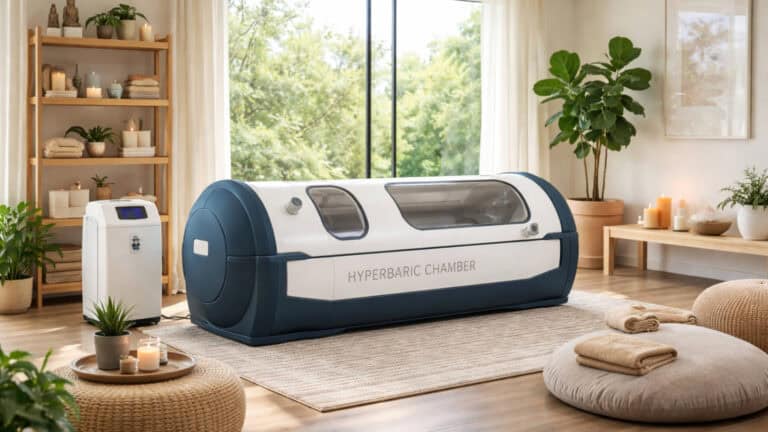
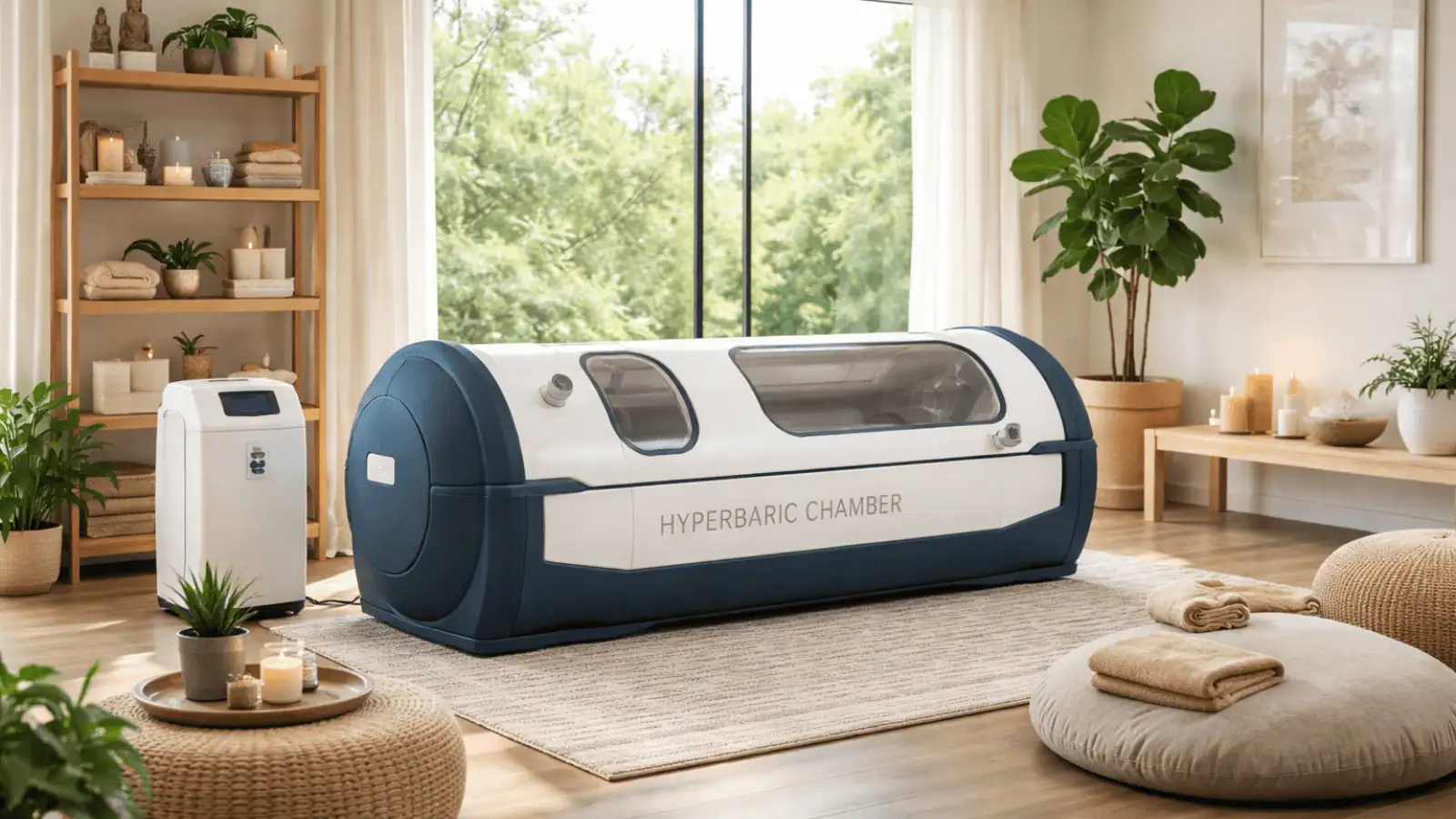
At home, the value of HBOT for sleep support may come as much from routine design as from the chamber itself. A chamber placed in a calm, uncluttered space supports a very different experience than one squeezed into a chaotic room that feels like an afterthought. For users building around nighttime recovery, environment matters.
A practical setup often includes reduced noise, simple session preparation, and enough room to enter and exit without friction. The goal is to make the session feel like a repeatable part of a wellness pattern rather than a complicated project. That same principle applies across many home-use situations, which is why our guide to using hyperbaric oxygen therapy at home is useful reading before device shopping.
For many people, a sleep-supportive routine looks like this: finish the day’s physically or mentally demanding work, transition into a quieter recovery window, complete a session at a repeatable time, and then move into the rest of the evening with less stimulation. The chamber is only one piece, but it can help create a reliable pattern.
When HBOT May Not Be the Main Answer
HBOT is not the best first fix for every sleep complaint. If the main issue is heavy late caffeine use, poor schedule consistency, excessive evening screen exposure, or unrealistic sleep timing, those habits may matter more than any recovery device. Likewise, people with medical sleep concerns should not treat a wellness chamber as a substitute for appropriate clinical guidance.
This is especially important in a wellness space where powerful narratives can outpace the evidence. A person can spend significant energy optimizing a chamber routine while overlooking the basics that actually move the needle. In many cases, the smartest role for HBOT is as a supportive layer built on top of good sleep fundamentals, not as a replacement for them.
That kind of decision-making is part of being a better-informed buyer. If you are still figuring out whether HBOT belongs in your routine at all, read Is Hyperbaric Oxygen Therapy Right for You? before moving further down the comparison path.
What Sleep-Focused Buyers Should Look For in a Home Chamber

If sleep support is one of your goals, chamber selection should emphasize routine fit more than hype. Questions to ask include: Will this chamber work in a room that already feels calm? Is setup easy enough to repeat several times a week? Does the overall form factor match the kind of environment where you actually unwind? Can the session become part of a low-friction evening or afternoon recovery ritual?
Sleep-oriented buyers often do better with chambers that feel approachable, consistent, and easy to integrate at home. That does not automatically mean the cheapest option or the most advanced one. It means the device should fit your space, your schedule, and your willingness to use it regularly. The best device on paper is not the best device if it disrupts the routine it is supposed to support.
For that reason, chamber comparison should come after routine clarity. Once you know how HBOT would realistically fit into your week, use our Hyperbaric Oxygen Therapy Blog and buying resources to compare categories more intelligently.
Safety, Screening, and Why Caution Still Matters
Even when a person is interested in HBOT for general wellness or sleep support, safety still comes first. Hyperbaric environments are not casual toys, and even mild home-use systems should be approached with appropriate caution. Medical centers and clinical references consistently emphasize screening, proper use, and attention to contraindications or individual considerations. See Mayo Clinic and Cleveland Clinic for broad overviews.
If you are evaluating HBOT from a home-wellness angle, do not skip the basics. Understand pressure differences, session guidelines, and device setup expectations. Our page on how to use hyperbaric oxygen therapy safely covers those principles in more depth.
The key point is simple: sleep support may be part of your motivation, but safe use should always guide the decision.
Frequently Asked Questions About HBOT and Sleep Support
Can hyperbaric oxygen therapy treat insomnia?
No responsible wellness article should claim that. HBOT may support recovery-related factors that influence how rested someone feels, but it should not be presented as a guaranteed insomnia treatment or a substitute for medical care.
Is it best to use a hyperbaric chamber right before bed?
Not necessarily. Some people may prefer earlier sessions, while others may like late-afternoon or early-evening use. The best timing depends on how the session feels for you and whether it fits a repeatable routine.
Why do people connect HBOT with better sleep?
Usually because they are really thinking about recovery, stress load, and physical restoration. HBOT is being studied for oxygen delivery and recovery support, so some users wonder whether those effects may help them settle into a healthier pattern of rest.
What matters most if sleep support is one of my goals?
Consistency, realistic expectations, safe use, and strong sleep fundamentals. HBOT is best viewed as one supportive part of a larger routine rather than a standalone solution.
Final Take: Think of HBOT as a Recovery Tool, Not a Sleep Shortcut
Hyperbaric oxygen therapy for sleep support makes the most sense when it is framed as a recovery-support strategy rather than a direct sleep promise. The people most interested in this topic are often trying to reduce strain, improve routine quality, and create a more consistent transition into rest. In that context, HBOT may have value. But it works best alongside strong sleep habits, realistic goals, and careful decision-making.
If you are still at the education stage, continue with our science-backed benefits overview. If you are moving toward device selection, compare categories in our 2026 buyer’s guide. And if you have specific questions about the site or chamber research coverage, visit our contact page.
Choose your next step
Learn the broader science on the benefits page → or compare devices in our buyer’s guide →