
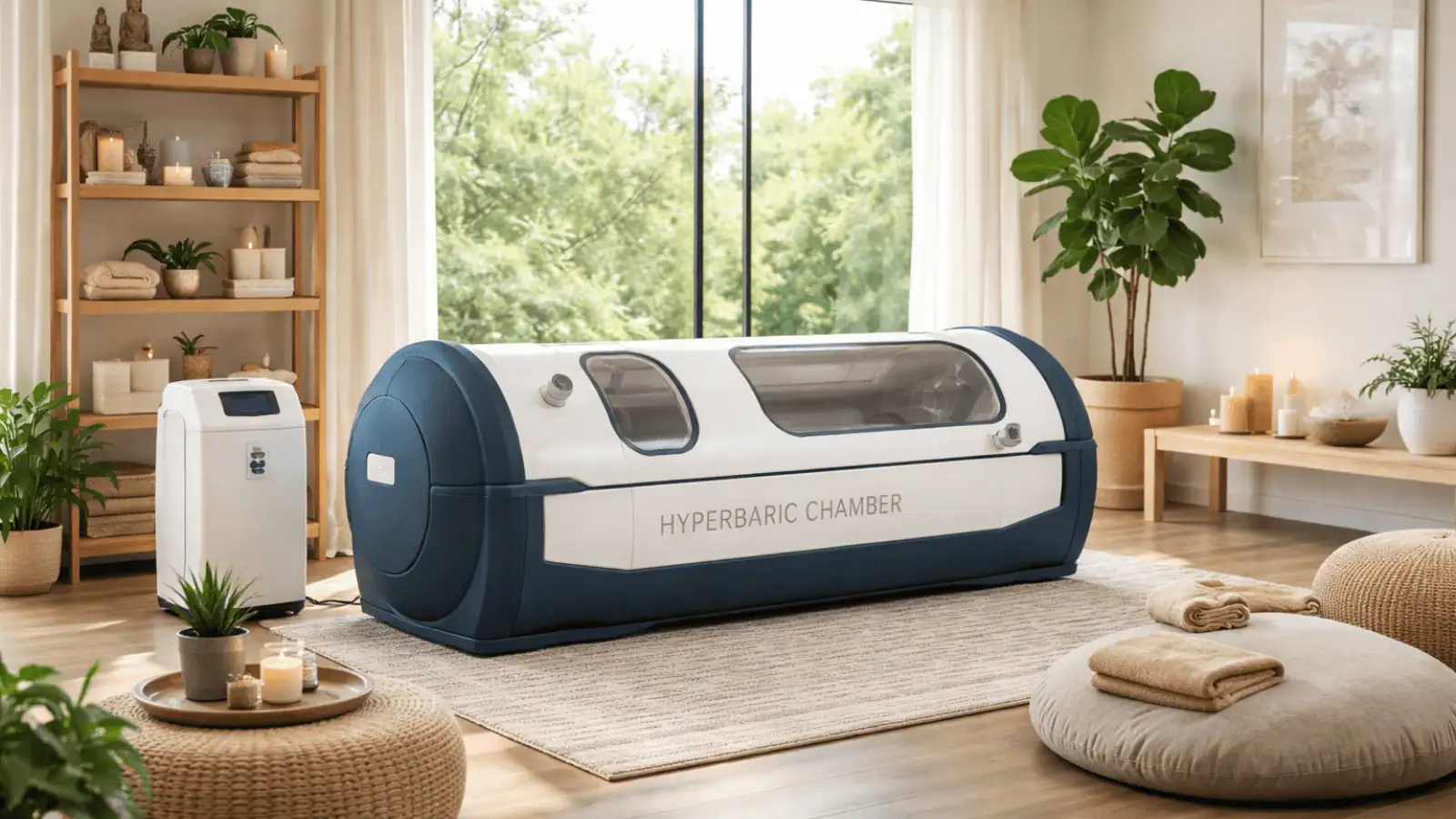
Hyperbaric oxygen therapy safety starts with the right expectations. Whether you are exploring mild hyperbaric oxygen therapy at home or simply trying to understand best practices before investing in a chamber, the goal is not to chase extreme protocols or make aggressive assumptions about outcomes. The goal is to create a calm, consistent, well-informed routine that respects equipment limits, follows manufacturer guidance, and leaves room for medical oversight when appropriate.
At Hyperbaric Sage, we take a conservative, wellness-first approach to home use. That means focusing on practical setup, pressure awareness, oxygen handling, session timing, and clear decision-making around when not to use a chamber without qualified guidance. If you are still comparing chamber types, start with our Best Hyperbaric Oxygen Chambers buyer’s guide. If you want a broader overview of why people explore HBOT in the first place, see our Hyperbaric Oxygen Therapy Benefits: Backed by Science page.
New to HBOT?
Learn the core concepts first, then compare equipment with our hyperbaric chamber buyer’s guide →
Safety starts before the first session
Many HBOT safety problems do not begin inside the chamber. They begin before setup, before inflation, and before the user understands what kind of system they are working with. Mild and home-oriented chambers are often designed for accessible use, but “accessible” does not mean casual. A safe routine begins with reading the manufacturer’s operating instructions in full, confirming the pressure range of the system, understanding whether supplemental oxygen is involved, and identifying all required accessories before the first session.
It is also important to match your expectations to the equipment category. Some people use the term “hyperbaric oxygen therapy” broadly even though home systems vary significantly in pressure levels, design, and intended use. Safety improves when you understand exactly what your device is designed to do and avoid comparing it loosely to higher-pressure clinical environments. Staying within the intended operating parameters of the chamber is one of the simplest and most important rules for reducing unnecessary risk.
Before use, make sure the chamber is placed on a stable surface in a clean, dry, uncluttered area with enough clearance for ventilation and access. Do not wedge the chamber into a cramped corner or block the zipper, valves, pressure controls, or emergency exit points. A tidy room is not just about aesthetics. It supports smoother entry, safer exits, easier equipment checks, and less chance of accidental interference during a session.

Create a safe home setup environment
A dedicated recovery space can make home HBOT feel more approachable, but it should also function like a controlled environment. Keep the surrounding area free of excess clutter, loose cords, flammable items, and anything that could obstruct airflow or movement around the chamber. If the chamber uses an oxygen concentrator or related equipment, follow the brand’s spacing requirements carefully so heat and airflow are managed properly.
Basic setup habits that improve safety
- Place the chamber on a clean, level surface.
- Leave enough space around the chamber for normal operation and exit.
- Check hoses, zippers, valves, and connectors before each use.
- Keep the room dry, calm, and well ventilated.
- Store accessories in a predictable location so nothing is rushed or improvised.
Home users also benefit from creating a predictable pre-session routine. That can include checking the chamber shell, confirming pressure controls, reviewing oxygen connections if applicable, and making sure a phone or communication method is accessible when recommended by the manufacturer. Safe routines are usually simple, repeatable, and boring in the best possible way. Consistency reduces preventable mistakes.
Understand pressure, comfort, and pacing
One of the most overlooked parts of hyperbaric oxygen therapy safety is pacing. New users sometimes assume that faster pressurization, longer sessions, or more frequent use will automatically produce better results. That is not a safe mindset. The body needs time to adapt to pressure changes, and comfort matters. A gradual, manufacturer-guided routine is far more sustainable than an aggressive one.
Pressure-related ear discomfort is one of the most common reasons people feel uneasy during early sessions. That is why it helps to start slowly, remain calm, and never force your way through discomfort. If the chamber instructions include guidance for gradual pressurization and decompression, follow it exactly. If you are unsure how to equalize comfortably or how quickly your system should change pressure, pause and review the manual rather than guessing.
A practical mindset is helpful here: the safest session is not the one that feels intense. It is the one that stays within the chamber’s design, feels manageable, and can be repeated consistently without unnecessary stress. People exploring session duration and frequency guidance should think in terms of tolerability, routine, and professional input where needed, not escalation for its own sake.

Oxygen handling deserves respect
When a home system includes supplemental oxygen, safety standards become even more important. Oxygen may support the intended chamber experience, but it also changes the seriousness of setup and handling. Users should never improvise tubing, substitute unapproved accessories, or operate oxygen-related components near open flames, smoking materials, or any obvious ignition source.
Even in clean home wellness settings, the safest approach is to treat oxygen equipment with deliberate care. Follow manufacturer instructions for placement, maintenance, cleaning, and storage. Avoid lotions, sprays, or materials that the manufacturer advises against using around oxygen equipment. If the system is designed for specific masks, hoses, or connectors, stay with the approved configuration rather than experimenting with third-party parts.
Respecting oxygen does not mean being alarmist. It means being methodical. Users who stay within the equipment rules, keep the environment clean, and avoid shortcuts are much more likely to maintain a safe routine over time.
Who should be more cautious before using HBOT?
Not every person should begin home hyperbaric use without qualified medical input. While many people are simply exploring general recovery or wellness routines, some circumstances call for extra caution. A history of ear pressure problems, certain lung issues, recent surgeries, active infections, claustrophobia concerns, or other medical considerations may change whether HBOT is appropriate, how it should be approached, or whether it should be avoided without professional clearance.
This is especially true for people trying to self-direct HBOT around a specific health concern. Hyperbaric oxygen therapy safety is not just about the chamber itself. It is also about the reason for use. If someone is trying to manage symptoms, recover from a complex condition, or combine HBOT with another treatment plan, that is the point where medical guidance becomes part of safe use, not an optional extra.
For a deeper discussion of how use may differ across age groups, health profiles, or special circumstances, visit Hyperbaric Oxygen Therapy Safety for Specific Populations. If you are still deciding whether HBOT fits your goals and comfort level, our page on whether hyperbaric oxygen therapy is right for you can help frame that decision more carefully.

Session habits that support safer use
Once the equipment is correctly set up, safer use becomes a matter of routine. You want sessions to feel calm, repeatable, and easy to manage. Rushing into a chamber when distracted, overtired, or unprepared tends to increase small errors and discomfort. A brief checklist before each session can be surprisingly effective.
Helpful pre-session habits
- Check that the chamber, valves, and tubing are in normal condition.
- Review the planned session length instead of deciding impulsively.
- Make sure the room is quiet enough to notice unusual sounds or interruptions.
- Enter the session hydrated, comfortable, and not in a rushed mental state.
- Keep emergency or exit instructions familiar, even if you rarely need them.
During the session, pay attention to comfort rather than trying to “push through” avoidable issues. If something feels off, slow down, stop, or exit according to the manufacturer’s process. After the session, give yourself a minute to decompress, organize equipment, and note anything unusual. These small habits build a safer pattern over time.
Common mistakes to avoid
Most home HBOT safety issues come from preventable missteps rather than dramatic failures. Some users skip the manual, assume all chambers operate similarly, or adopt session ideas from online anecdotes that may not apply to their system. Others treat the chamber like an ordinary relaxation tool without recognizing that pressure and oxygen equipment deserve more disciplined handling.
- Do not exceed the operating guidance for your chamber.
- Do not modify parts, valves, hoses, or accessories without approval.
- Do not ignore ear discomfort, unusual noise, or repeated setup issues.
- Do not use the chamber in a cluttered or poorly ventilated environment.
- Do not assume more pressure or longer sessions are automatically better.
- Do not use HBOT as a substitute for medical diagnosis or individualized care.
Safety improves when home use stays grounded, realistic, and system-specific. If you want help separating hype from responsible expectations, our HBOT myths and misconceptions guide is a helpful next read.
When to pause and ask for professional guidance
There is a difference between normal beginner uncertainty and situations that warrant outside input. If you are unsure about contraindications, if pressure changes repeatedly feel difficult, if you are navigating a significant health condition, or if your chamber setup does not feel straightforward, that is a good time to pause. Safe use includes knowing when not to rely on guesswork.
Professional guidance can help clarify whether your goals are realistic, whether home use makes sense for your situation, and what precautions matter most for you. That kind of clarity often makes home routines both safer and more sustainable. It also prevents the common mistake of treating HBOT as a one-size-fits-all solution.
Our practical safety philosophy at Hyperbaric Sage
We view hyperbaric oxygen therapy safety through a simple lens: calm setup, conservative expectations, system-specific use, and no shortcuts. HBOT may be studied for a wide range of wellness and recovery interests, but safe use always comes before curiosity. The chamber should fit your space, your comfort level, and your willingness to follow instructions carefully.
If you want to keep learning, the best next steps are to understand the basics, compare the chamber categories, and build from there. You can explore the full Hyperbaric Sage blog, review the science-focused benefits overview, or reach out through our contact page if you want us to prioritize a specific comparison or educational topic.
Continue your research
Compare chamber categories, learn the fundamentals, and explore practical guidance in the Hyperbaric Sage blog →